Strain-deep sourcing for the next generation of gut-health brands.
We connect overseas supplement brands with audited Chinese manufacturers — and stay in the room for the microbiology, the documentation and the label. From a single strain to a finished stick pack.
Shortlist, indicative pricing and timeline after your brief
From signed brief to samples in your hands, with the full document set
The line that says yes to a brand's first production run
Hidden rebates. One sourcing fee, agreed in writing before sampling
Schemes our partner facilities are audited against — including US FDA facility registration, NSF GMP, BRCGS and halal/kosher certification. Certificates are issued per facility; the document set is prepared for your market.
One manufacturing base behind the sourcing desk.
Our anchor partner is MICRO FERBAL® — the micro-fermentation arm of the Yiyangsheng Group, headquartered in Xiamen, China, with 15 years of dedicated strain-to-formula production. This is the plant your brief will actually run through.
Production campus — fermentation, blending, drying and finished-dose lines
Dedicated strain-powder plant for live-culture manufacturing
Strains isolated, identified and banked in the group's strain resource library
Patents across strains, botanical fermentation and processing equipment
Patented in-house strains scaled for commercial production
Filing standards — 45 botanical, 50 probiotic, 69 peptide, 34 nutrient specs
Major international certifications and accreditations held by the group
Accredited in-house laboratory for strain, chemistry and microbiology testing
Efficacy evidence, not just claims
Benefit screening runs on zebrafish efficacy assays, with research collaboration across Jiangnan University, Xiamen University, China Agricultural University, Northwest University, the Chinese Academy of Sciences and Fuzhou University. The team holds a Fujian Provincial Science & Technology Progress Award (1st class) and a Xiamen Municipal Science & Technology Progress Award (2nd class) in functional-probiotic development.
Recognised leadership
MICRO FERBAL® is recognised in a third-party market-position statement (issued March 2026) as the global leader in formula-potentiation fermentation technology — verified by an independent consulting study, not by the factory's own marketing deck.
See the kind of plant behind the brief.
Fermentation, strain-scale-up and finished-dose lines look like this before they look like anything on a shelf. These are public factory films from major microbial manufacturers — an honest preview of the equipment class our audited partner plants run. We arrange a live walkthrough of the anchor plant after your shortlist is approved.

Inside Harmonium II — Lallemand Health Solutions
Probiotic research, fermentation and finished-solution manufacturing (industry reference).
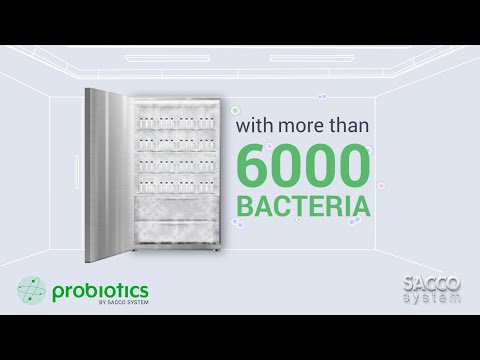
Toll manufacturing of probiotics — Sacco System
Strain toll-manufacturing: developing and industrialising a customer's own probiotic strains (industry reference).
Fermentation → freeze-dry → automatic packaging
Full process at the partner plant — strain banking, QC, fermentation tanks, centrifugation, freeze-drying and the automatic packaging line (authorized footage, labelled Amoy Microherbs).
Bottling & case-packing line
Bottle filling and case packing on the finished-dose line at the partner plant (authorized footage, labelled Amoy Microherbs).
The two clips above are authorized footage from our partner plant, labelled Amoy Microherbs — a full fermentation-to-packaging process and a bottling-line close-up. The two films below are public YouTube industry references — an honest preview of the equipment class our audited partner plants run. Your private factory tour is arranged separately, after the shortlist is approved and the NDA is signed.
Research Notes — the microbiology behind the sourcing.
Fermented botanicals, decoded one molecule at a time.
Short, referenced explainers on bioavailability, postbiotics, fermentation and the gut as a bioreactor — each note links back to the peer-reviewed literature it is built on.
From the herb pot to the bloodstream: why fermentation shrinks the molecules that matter.
Traditional brewing extracts large glycosides with limited gut-barrier access. Microbial deglycosylation trims sugar chains into smaller, absorbable metabolites — the pre-digestion step, moved upstream.
Postbiotics, defined: inanimate cultures, measurable metabolites.
What the ISAPP expert consensus actually signed in 2021 — and why a heat-stable, shelf-stable ingredient changes the formulation conversation.
Fermentation as a bioactivation switch: conversion, solubilisation, activation.
Three mechanistic routes by which microbial enzymes turn bound plant phenolics into the freer, more soluble fraction — and what human pharmacokinetics show.
The gut as a bioreactor: the fermentation your colon finishes.
Ellagitannins arrive as parents; urolithins appear in plasma. Inter-individual microbial metabotypes explain why not everyone processes plant actives the same way.
A price list is not a specification.
Strain identity, potency at the end of shelf life, water activity, excipient compatibility. Without these written into the spec, the CFU claim on your label is a guess.
The line that says yes to 5,000 units.
Most export quotations are built for distributors, not for a brand's first production run. We find the facilities whose minimums match your first order — and confirm them in writing.
Five technical routes, one qualified supply chain.
Food-as-Medicine botanicals
Heritage botanicals from the Chinese medicinal-food tradition, formulated with live cultures for the global supplement shelf.
Probiotics
Multi-strain formulas, qualified to potency at end of shelf life — not at the date of manufacture.
Prebiotics
GOS, FOS, inulin, XOS, resistant dextrin and HMO-grade oligosaccharides such as 2'-FL and LNnT — supplied only where the regulatory status in your market supports the claim you intend to make.
Postbiotics & metabolites
Heat-stable actives with a consistent assay — no cold chain, no viability argument on the label.
Synbiotics
Pre- and probiotics matched as one formula, so the substrate and the strain arrive together as a single homogeneous lot.
Botanical & functional
Adaptogenic and mushroom extracts, soluble fibre systems and enzyme blends — premixed with a probiotic or prebiotic so your formula arrives as one homogeneous lot.
A strain library, not a strain shelf.
10,000+ banked isolates, 37 patented in-house strains already in scaled production, and a benefit map built from efficacy screening and academic collaboration. Strain codes stay under NDA — what you buy is a proven effect, not a catalogue number.
Sleep · mood · mental wellness
- Sleep-quality and mood-balance strains
- Stress and relaxation support
- Memory and cognitive-wellness strains
Digestive health
- Anti-H. pylori and gastric-comfort strains
- Gut-comfort and gut-barrier strains
- Bowel-regularity and laxation-support strains
- Oral-health strains
Immunity & metabolic care
- Immune-support strains
- Blood-sugar, lipid and uric-acid management strains
- Liver-care and alcohol-metabolism strains
- Overall-conditioning multi-target strains
Women's health
- Intimate-health and balance strains
- Vaginal-microbiome support strains
Weight & body management
- Weight-management and appetite-signalling strains
- Energy-metabolism strains
Skin & beauty-from-within
- Skin-health strains
- Glow-from-within and beauty-oral strains
The space-returned potentiation strain
A flagship proprietary strain selected through microgravity and radiation mutagenesis aboard the Shijian-19 recoverable satellite — 13.5 days in orbit, September 2024. Selected for greater survival and efficacy stability, faster digestive support, stronger antioxidant and anti-inflammatory activity, and more robust immune response.
Antarctic-derived neuro-probiotic
A strain isolated from Antarctic krill with documented neuromodulatory activity — mood, sleep and memory regulation across a single effect profile. A differentiator for sleep, calm and cognitive formulas aimed at premium markets.
Benefit descriptors reflect the group's internal efficacy-evaluation system (zebrafish assays), filed patents and published academic collaboration. Regulatory claims on your label follow the rules of your target market — we prepare the documentation and keep the wording compliant.
Fermented botanicals: China's medicinal-food tradition, upgraded by microbiology.
Botanicals from China's officially approved medicinal-food list are fermented with targeted strains — including space-returned and plant-endophytic cultures — to multiply the active constituents. The result is a line of fermented concentrates, drops, freeze-dried powders, pastes and flash-release powders you can private-label or use as ingredients.
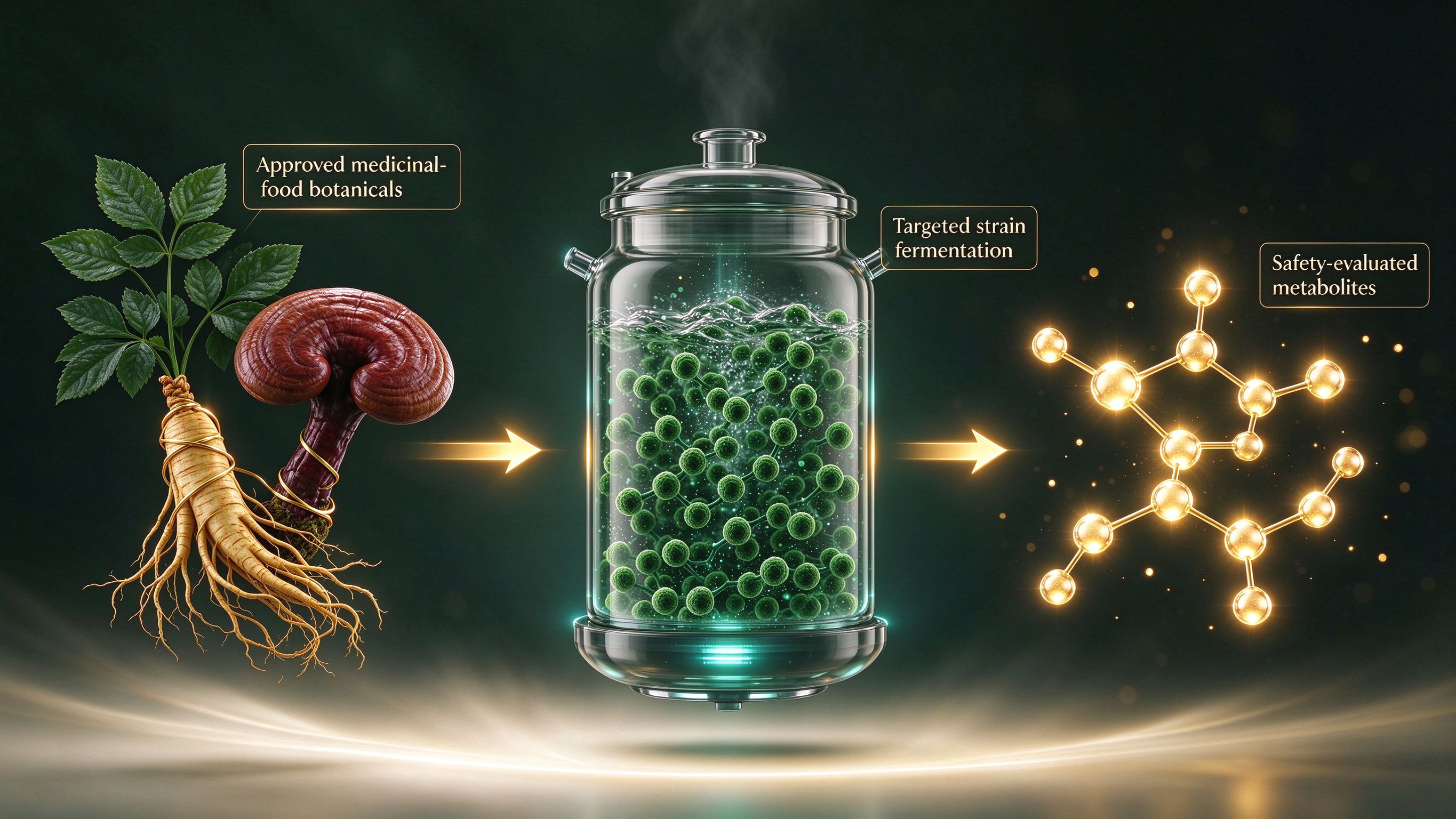
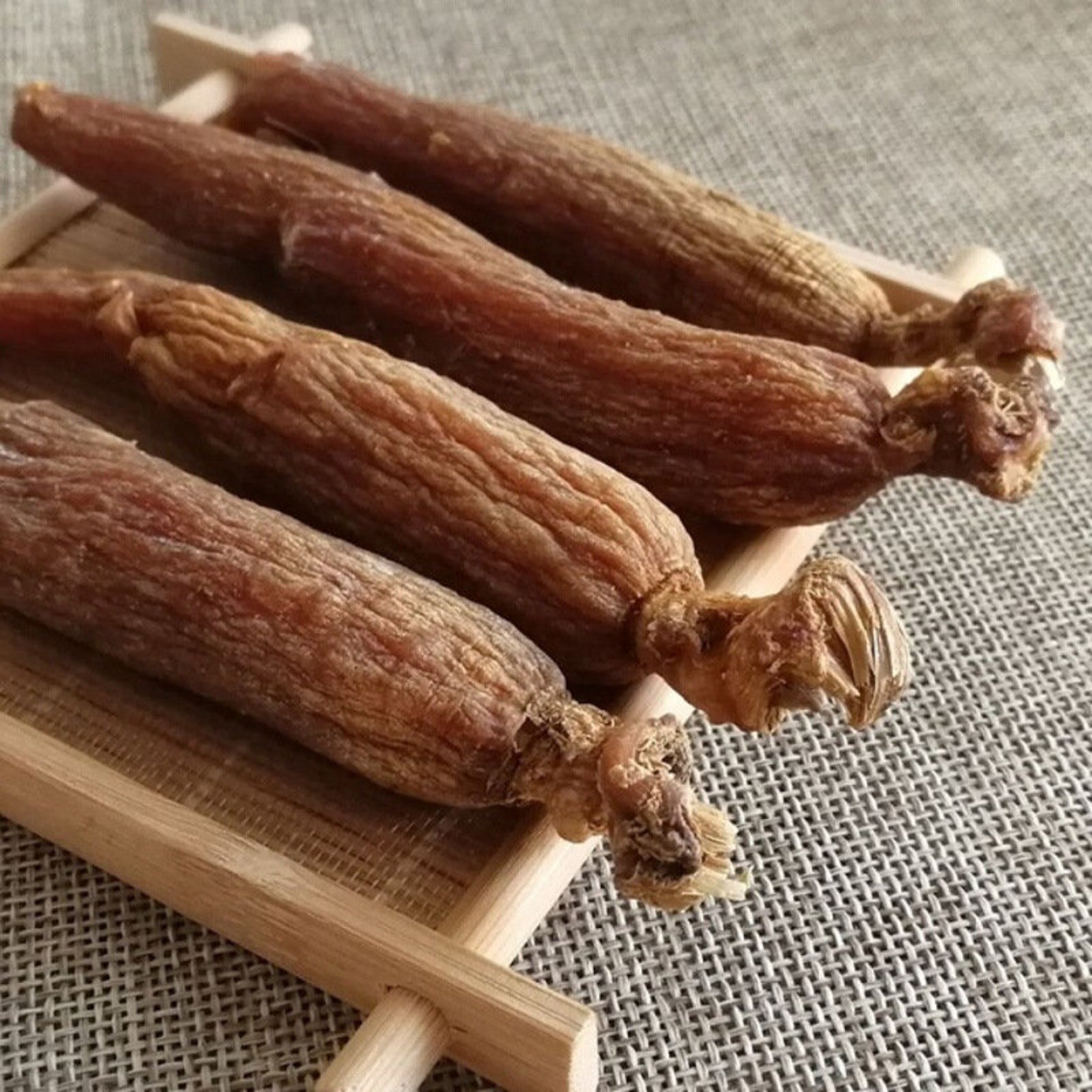
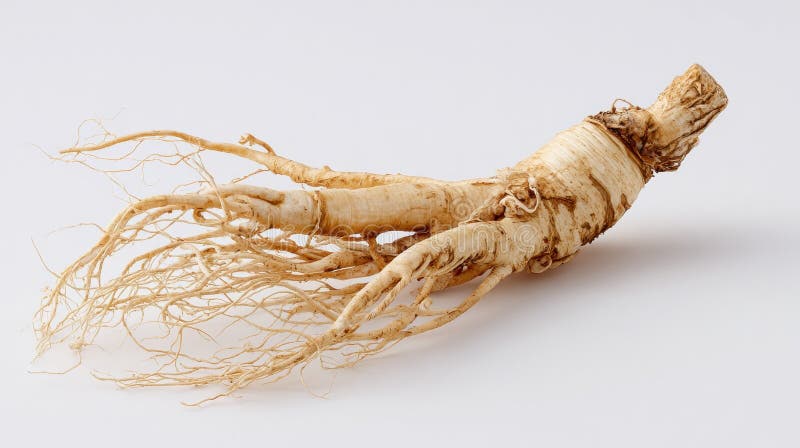
Total ginsenosides; rare Rg3 up to 13×, Rg5/Rk1 to 8.6×, Rh4 to 11×
Total saponins; rare Rg3 up to 89.6× vs raw botanical
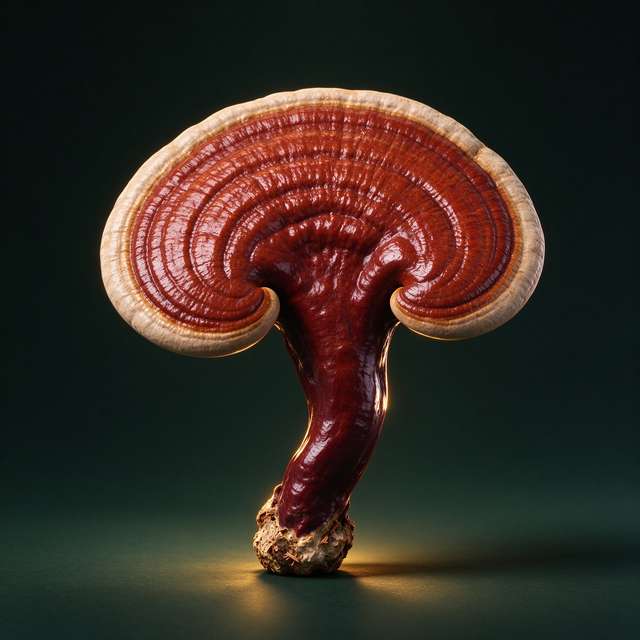
Triterpenes; crude polysaccharides up to 3.8×
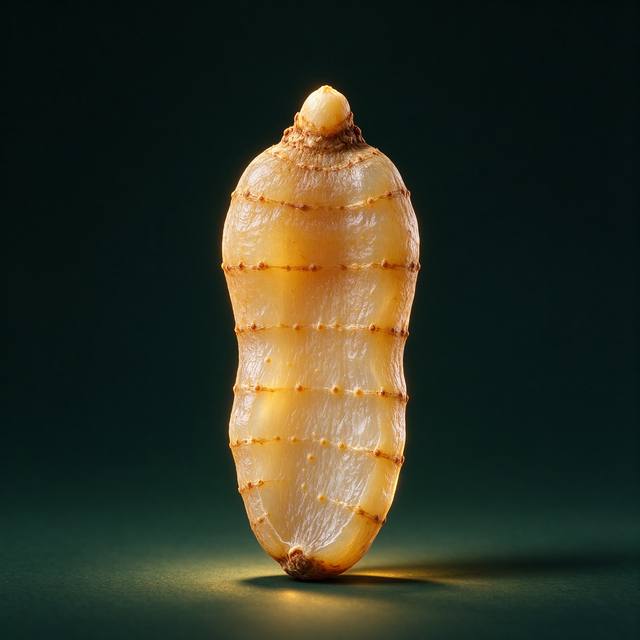
Gastrodin — the marker for calm and sleep-support formulas
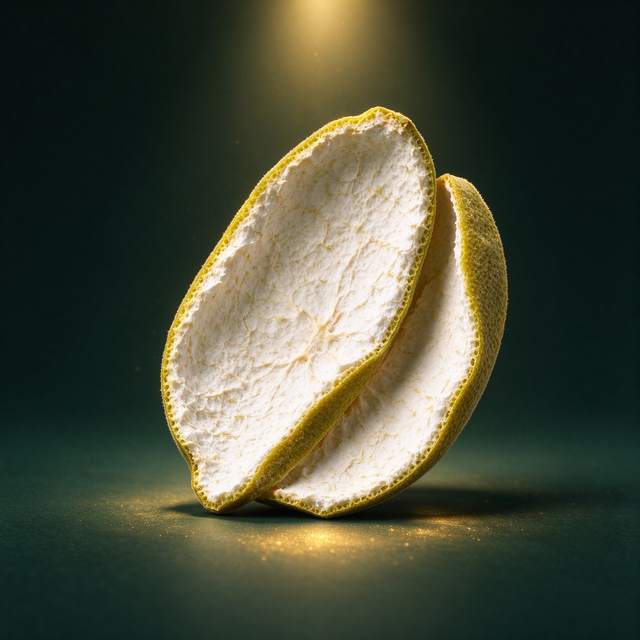
Naringin, for respiratory-comfort formulas
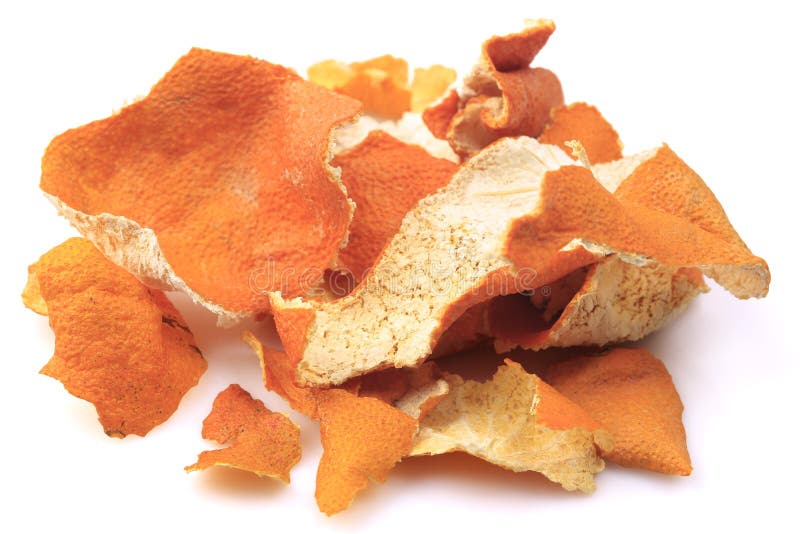
Hesperidin, nobiletin and tangeretin markers
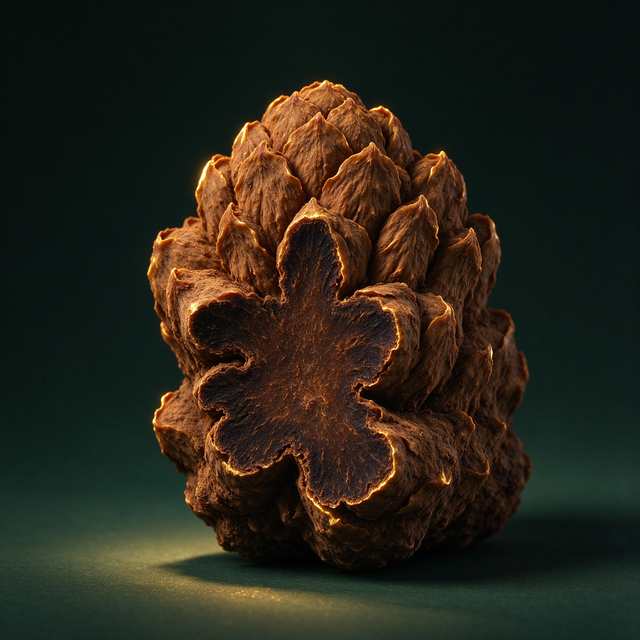
Echinacoside and verbascoside, for vitality formulas
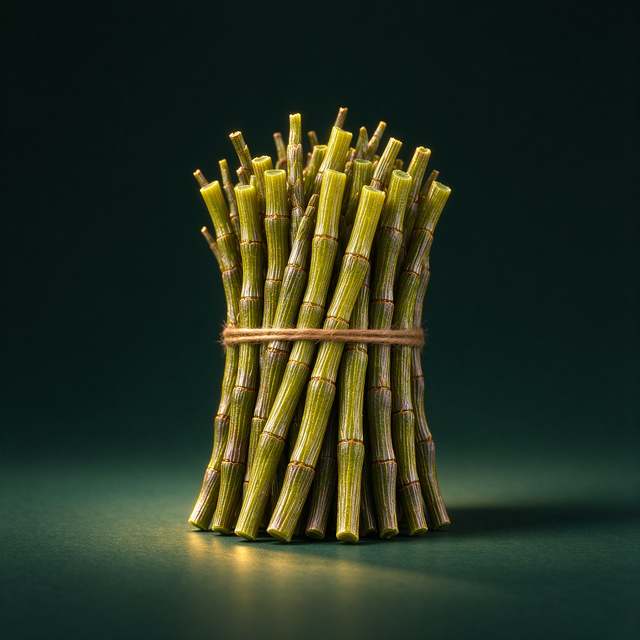
Fermented from the stem with plant-endophytic strains — a new hydrating-botanical angle
Measured by independent assays of marker compounds in fermented concentrate vs the raw botanical — documented in the group's UP technology files and the botanical-fermentation patents. The exact multiplier depends on raw-material lot, strain and process; we quote per formula, with COA data on the lot we ship.
The complete China medicinal-food list — all 106 items.
China's official 食药物质 (food-as-medicine) list — NHC batches 2002 / 2019 / 2023 / 2024. Botanicals we can source, ferment and supply as concentrates, extracts or finished goods.
Source: China's National Health Commission (NHC) official announcements — Notice No. 51 (2002), Announcement No. 8 (2019), Announcement No. 9 (2023) and Announcement No. 4 (2024). All 106 items are officially designated 食药物质 (food and medicinal dual-use substances). Supply formats — whole botanical, extract, fermented concentrate or finished goods — are confirmed per enquiry, with COA data on the lot we ship.
Every herb, decoded.
Each card is a strain-level look at one marker metabolite — the microbe, the molecule, and the fermentation step that turns the raw, hard-to-absorb form into a smaller, more soluble one. Click any card for the full mechanism.
MICROBE · MOLECULE · METABOLITE: what leaves the reactor is the smaller, more soluble form your formulation can use — verified lot by lot with a COA. Click any card for the full mechanism.
Dosage formats we source.
| Format | Typical fill | Best suited to |
|---|---|---|
| HPMC capsule | 300–800 mg | Daily CFU doses, retail |
| Stick pack / sachet | 2–5 g | On-the-go dosing, single serve |
| Bulk powder / premix | 1–25 kg | Your own blending, clinic or pilot batches |
| Liquid shot / pouch | 10–50 mL | Fermented drinks, tonics and on-the-go formats |
| Fermented paste / gao | 10–30 g sachets | 15–30× concentrated herbal pastes, spoon or sachet |
Indicative only. Real minimums depend on strain, fill weight and line configuration — we confirm them in writing before you commit to anything.
Beyond the classic formats — protected, encapsulated and functional delivery
Every format can be loaded with targeted, safety-evaluated strains and their metabolites — live, coated, inactivated or fermented-in. If it can be chewed, sipped, baked or brewed, we can put the microbe in it.
Two ways to work with China.
Same audited partner facilities, same microbiologist on the file. You choose where the line runs.
Ingredients, exported
The strain or botanical ships to you; you manufacture in your own market. Lower landed cost per unit, local registration stays in your hands, and your label can say “made locally”.
- Raw strains, botanicals and finished premixes
- Full specification and document set with every lot
- Works with your local line or contract packer
Finished goods, made in China
From formula to a finished stick pack, produced in an audited plant and exported with the document pack prepared for your market.
- Formula development and dosage-form selection
- Production and QC against the agreed specification
- Export and market documentation handled end to end
Our audited partner facilities — anchored in Xiamen, China — cover fermentation, blending and finished-dose production. Factory identities are released only after you approve the shortlist.
Six steps, and you can stop at any of them.
Brief
Your product, strain, dose, market and first volume. Six fields, and you have a shortlist, indicative pricing and a realistic timeline within 72 hours.
Qualification
Strain identity, dosage form and the production line are qualified before a single unit is quoted.
Sample & COA review
Samples ship with the full document set. We read the assay against the specification — including potency margin, micro panel and excipient declarations — instead of trusting the sales deck.
Day 10–25Pilot batch & artwork
A trial run on the real production line, not a lab bench. Artwork is proofed in your market's language, units and mandatory statements.
Regulatory file pack
The paperwork prepared for your market — registration files, halal or kosher certificates, certificates of free sale where required.
Production & export
Volume production on the qualified line, QC against the agreed spec, and export handled to your port.
The paperwork is the product.
In this category, a buyer's risk sits in the documents. We prepare them, check them against your market, and tell you plainly where our role ends.
Why a sourcing partner instead of a sales desk.
Your launch stays yours
Your formula, your strain, your volumes stay confidential. Factory identities are released only after you approve the shortlist — so nobody downstream can copy your launch.
Our margin is on the table
One sourcing fee, agreed in writing before sampling. No undisclosed rebates from the plant, no markup buried in the unit price — because that is exactly how buyers get mis-sourced.
A microbiologist in the conversation
Specifications get argued in Chinese, in writing, with someone who can read a COA and challenge a potency claim. Not a sales agent forwarding PDFs.
Send these six things.
You will have a shortlist, indicative pricing and a realistic timeline within 72 hours — before you spend anything on samples.
- Product and format — capsule, stick pack, bulk
- Strain or effect you want to claim
- Target dose, ideally at end of shelf life
- Market and channel — US, EU, GCC, SEA, AU/NZ
- First volume and 12-month plan
Questions buyers ask before the first call.
What do you actually make — and what are the benefits of your strains?+
Are your strains and metabolites approved for the US, EU and halal markets?+
Can you make unusual formats — gum, chocolate, fermented coffee?+
What are your minimum order quantities?+
Will you sign an NDA — and can I have exclusivity?+
Do you handle private label artwork and labelling?+
Can I visit the factory?+
How do samples and payment work?+
Talk to the sourcing desk.
From the herb pot to the bloodstream: why fermentation shrinks the molecules that matter.
Traditional decoctions extract macro-molecular glycosides that sit poorly at the gut barrier. Controlled microbial fermentation moves the body’s own deglycosylation step upstream — turning parent compounds into the small-molecule fraction that actually appears in plasma.
When a root is simmered the traditional way, what you mostly extract are the parent glycosides — large molecules with sugar chains attached that behave poorly at the gut barrier. Ginsenosides are the textbook case: the abundant major ginsenosides carry low oral bioavailability, tied to stability in the gastrointestinal tract, membrane permeability and first-pass effects [1].
Here is the subtle part. Your gut already knows what to do with them: intestinal microbes secrete glycosidases — including β-glucosidases — that cleave those sugar chains, converting major ginsenosides into rare ginsenosides that absorb more readily [3]. Enzymatic and microbial biotransformation is now an established industrial route to produce these rare forms on purpose [2].
Fermentation simply moves that step upstream. Instead of betting on the host’s own microbes to finish the chemistry, a controlled bioreactor does the trimming first — so the product ships already closer to the small-molecule fraction the body recognises. That is the whole argument for “pre-digested” fermented botanicals: less work left to chance, more of the molecule reaching the bloodstream.
References · scientific support
- Pan W-L, et al. Biopharmaceutical characters and bioavailability improving strategies of ginsenosides. Fitoterapia, 2018.
- Hu Y, et al. Advancements in enzymatic biotransformation and bioactivities of rare ginsenosides: a review. Journal of Biotechnology, 2024.
- Li M, et al. Review of gut microorganisms and their enzymes involved in the conversion of ginsenosides. Food Bioscience, 2024.
Postbiotics, defined: inanimate cultures, measurable metabolites.
In 2021, the ISAPP expert panel settled the definition: a postbiotic is “a preparation of inanimate microorganisms and/or their components that confers a health benefit on the host.” Here is what that actually means for formulation.
The term postbiotic has been used loosely in marketing for years. The 2021 ISAPP consensus statement fixed a working definition so that scientists, regulators and buyers share one meaning: a preparation of inanimate microorganisms and/or their components that confers a health benefit on the host [1].
Two consequences follow. First, the microbes do not need to survive shipping — which removes the cold chain, the viability claim and much of the shelf-life risk. Second, the active profile becomes a characterisable mix: short-chain fatty acids, exopolysaccharides, bioactive peptides, organic acids and cell-wall fragments, each measurable in the documentation pack [2][3].
Worth keeping the distinction: an isolated, purified metabolite on its own is not itself a postbiotic under the ISAPP definition — the preparation still derives from microbial cells. That distinction matters when you read ingredient labels [2].
References · scientific support
- Salminen S, et al. The ISAPP consensus statement on the definition and scope of postbiotics. Nature Reviews Gastroenterology & Hepatology, 2021.
- Vinderola G, et al. The concept of postbiotics. Foods, 2022.
- Vinderola G, et al. Frequently asked questions about the ISAPP postbiotic definition. Frontiers in Microbiology, 2024.
Fermentation as a bioactivation switch: conversion, solubilisation, activation.
Plant phenolics often arrive bound, glycosylated and trapped in the cell wall. Microbial enzymes open three routes to the freer, smaller, more absorbable fraction — and human pharmacokinetics follow.
Phenolics underpin much of the interest in plant-based diets, yet they frequently carry poor bioavailability — glycosylated, esterified, polymerised or locked in the cell wall [2][3]. Fermentation acts as a natural bioactivation platform along three routes.
Conversion: glycosidases and esterases strip sugar and acyl groups, turning glycosides into aglycones. Solubilisation: decarboxylases and reductases depolymerise bound fractions, freeing phenolic acids into a soluble form. Activation: precursors that the colon would otherwise process are converted ahead of time into downstream metabolites — urolithin-like, enterolignan-like, phenyl-γ-valerolactone-like families [1][3].
Human PK data are encouraging but honest: aglycone-enriched foods frequently show higher peak plasma concentrations and earlier time-to-peak than glycoside-rich counterparts, and response varies with the individual’s own microbial metabotype [3]. The honest claim is not “more of everything” — it is “a substrate the body processes more efficiently.”
References · scientific support
- Leonard W, et al. Fermentation transforms the phenolic profiles and bioactivities of plant-based foods. Biotechnology Advances, 2021.
- Yang F, et al. Effects of fermentation on bioactivity and the composition of polyphenols in polyphenol-rich foods: a review. Foods, 2023.
- Xie D, et al. Fermentation-derived phenolic compounds: mechanisms of release, bioavailability, and functional health benefits. Food Reviews International, 2026.
The gut as a bioreactor: the fermentation your colon finishes.
Ellagitannins arrive as parents. Urolithins appear in plasma. The colon itself runs a multi-step microbial conversion — and inter-individual metabotypes explain why not everyone processes plant actives the same way.
Much of what a plant contributes never reaches the bloodstream as the molecule you ate. Dietary polyphenols that survive the upper gut arrive in the colon as precursors — and the gut microbiota runs a second fermentation, converting them into lower-molecular-weight metabolites with their own absorption profiles [3].
Urolithins are the best-characterised example: gut microbes transform ellagitannins and ellagic acid into urolithins, which appear in urine, blood and tissues [1]. Crucially, not everyone does this at the same rate — researchers classify people by their urolithin metabotype (UM-A, UM-B, UM-0), and the bacterial genetics behind it are now mapped: a dehydroxylase operon in Enterocloster species [1][2].
This is why upstream controlled fermentation matters. It does not replace the colon — it pre-processes the substrate so that whatever the host’s own metabotype is, more of the chemistry arrives in a useful form. It also sets honest expectations: the same ingredient can yield different measured metabolites in different people, and that variability is biology, not batch failure [3].
References · scientific support
- García-Villalba R, et al. Urolithins: a comprehensive update on their metabolism, bioactivity, and associated gut microbiota. Molecular Nutrition & Food Research, 2022.
- Pidgeon R, et al. Diet-derived urolithin A is produced by a dehydroxylase encoded by human gut Enterocloster species. Nature Communications, 2025.
- Perrone P, et al. Gut microbial metabotypes shape polyphenol bioactivity: toward precision nutrition strategies. Nutrients, 2026.